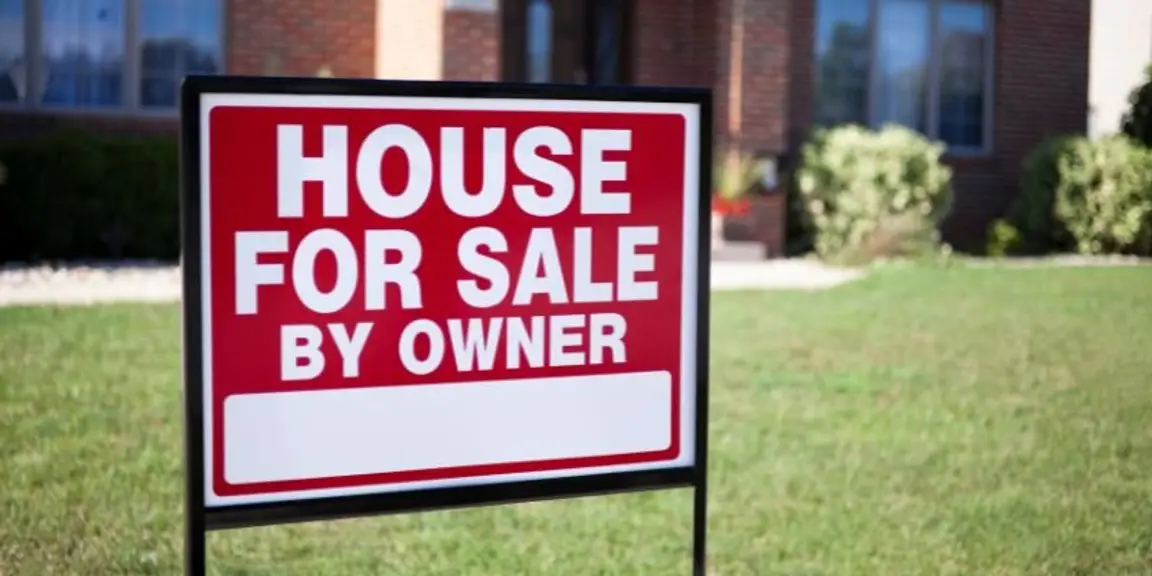


Something spectacular is happening right now when you look at the figures across the Lone Star State. Texas is third in the nation for homeowners who opt to sell without an agent, with an FSBO listing rate of 13.22%. Although the national average for FSBO sales fell to just 6% of all house sales in 2025, Texas sellers continue to buck the trend.
I was working with the Tran family down in Brownsville two weeks ago, had a job transfer to Dallas, and had five weeks to be out of their house. They bought the place four years ago when the market was hot, and their Wednesday morning call was just plain fear about commissions eating into their moving budget. By that Friday, we’d reviewed their alternatives and presented an FSBO strategy that saved them more than $8,000 to use toward their new house.
Should You Sell Your Texas Home Without a Realtor?

Sandra entered her Austin kitchen at 7 AM to find her husband already crunching real estate commissions on his computer. They could have saved around $15,000 in costs by selling their home themselves.
Going FSBO in Texas can make good financial sense, especially in today’s market climate, when properties linger on the market an average of 82 days, and buyers have more negotiation leverage than they’ve had in years. You get to do everything from pricing to paperwork, yet you get to keep the 2.5-3% listing agent commission that would normally come out of your revenues.
But the other side is tougher than most sellers anticipate. Just 11% of FSBO owners ever make a deal without bringing in a realtor at some time, and 10% flip to utilizing an agency after hitting snags. Marketing needs quality photos, MLS access, and availability for showings. Contract talks can get complicated quickly, especially when you’re dealing with buyer finance issues.
Market timing is working for you right now. Homes took 82 days to sell, and median home prices touched $341,800, down 1.8% from the previous year. This lets you learn as you go, instead of the frantic 2021-22 markets where properties sold in days and mistakes cost thousands.
Think about how comfortable you are with sales, negotiating, and legal paperwork. If you’ve bought or sold before, you know the procedure better than a first-timer. Location counts as well. FSBO works better in an established community where comparable sales are easier to identify, rather than in a neighborhood with unusual homes or few recent sales.
Texas Real Estate Market Facts Every FSBO Seller Should Know
I always thought that FSBO properties sold for less because the sellers didn’t know how to market them correctly.
By April 2026, median home prices in Texas had fallen to $338,384, reflective of larger market corrections that actually benefit well-prepared FSBO sellers. Nationally, FSBO properties fetched a median of $380,000 in sales in 2023, compared to $435,000 for agent-assisted sales, although that disparity narrows when you control for region and property type.
Today’s market conditions in Texas are interesting. Across the state, homes are staying on the market a median of 69 days, giving sellers time to consider several offers and negotiate terms carefully. It’s a far cry from the epidemic years, when homes sold in less than a week, frequently sight unseen.
In Texas, only 12% of properties sold above list price in April 2026, while 25.4% were reduced in price. This suggests purchasers are no longer in bidding war mode; they are shopping carefully and expecting a realistic price. For FSBO sellers, that means having precise market knowledge, not just throwing a number out there and hoping for the best.
Inventory levels changed substantially. In March 2026, active inventory was 141,519 residences with 10.07 months of supply, the most since before COVID. The more choices buyers have, the more competition sellers face – but it also means they don’t have to feel pressured to accept the first offer they receive.
Go beyond statewide averages and look for localized differences. Austin residences will see bigger price reductions than those in Houston or Dallas. Buyers have the most negotiation room in San Antonio. Smaller markets like Brownsville and Laredo are not influenced by statewide patterns.
Pros and Cons of Selling Without a Realtor in Texas
“Will we really save money doing this ourselves?” That’s the question every Texas homeowner asks when figuring out how much it costs to sell a house without hiring a real estate agent.
Advantages of selling FSBO in Texas:
Hold on to the listing agent commission, normally 2.5% or so of your sale price. On a $340,000 home , that’s $8,500-$10,200 back in your pocket and not somebody else’s. You are in complete control of timing. Schedule showings around your work and family commitments, and not around an agent’s calendar.
If you can talk directly to buyers, you can negotiate more easily. You don’t play the telephone game with two agents filtering your communication to the other party. You know the unique qualities of your property and neighborhood perks better than any realtor who picked up your listing last week.
By setting your own marketing strategy you may highlight the most important features of your home and location. Maybe you want to talk about the new HVAC system, or how close the home is to the local schools, or how easy a commute it is to downtown Austin.
Challenges you’ll face:
Limited market exposure hurts FSBO sellers more than anything else. About 88% of buyers work with agents, and their agents search MLS first, so skipping the MLS means most potential buyers won’t see your listing.
Pricing mistakes happen more often without professional guidance. FSBO sellers struggle most with pricing correctly (17%), selling on time (13%), and navigating paperwork. Price too high, and your home sits; price too low, and you leave money on the table.
Contract negotiations can get complicated quickly when issues like financing contingencies, inspection repairs, or appraisal gaps come up. Buyer agents expect to work with someone who understands standard contract terms and regional customs.
Legal and paperwork requirements in Texas include specific disclosure forms, contract addenda, and transfer procedures. Mistakes here can delay closings or create liability issues down the road.
Texas FSBO Paperwork and Legal Requirements You Need to Know
“Selling a house in Texas isn’t rocket science, but the state wants some paperwork done right, and they’re not very forgiving of mistakes.”
In Texas, sellers must fill out the Seller’s Disclosure Notice, a lengthy form that covers anything from foundation problems to environmental dangers. Whether or not you are using an agent, you have a legal duty to disclose any known issues with the property. If you falsify or omit critical information, you could be sued months after closing.
Most buyers and their brokers want you to use standardized contract forms provided by the Texas Real Estate Commission. These include the One to Four Family Residential Contract, several addendum forms for financing and inspection contingencies, and particular modification forms to address difficulties that emerge throughout the transaction.
You will also need to know how to properly manage earnest money deposits. Earnest money deposits should not be placed in your personal checking account but in an escrow account. The majority of FSBO sellers use a title company that can do escrow services, but you have to make sure that the account is set up correctly when you accept an offer.
The closing calculations require current and accurate property tax information. Texas property taxes are prorated between buyer and seller according to the closing date, and you’ll need recent tax statements and any outstanding exemption information.
Texas title companies handle most closings, but it is up to you to pick a good one and know how it is structured. They’ll order the title search, draw up the deed documents, and process the final fund transfers. But they want you to give them precise information on mortgages, liens, or other encumbrances on the property, especially if you’re selling a house with a lien, so they can identify any issues that must be resolved before closing.
Getting many offers or odd contracts? Consider a real estate attorney for specialized contracts. For as low as $100 you’ll pay for legal counsel that can save you thousands of dollars in difficulties further down the road.
Pricing Your Texas Home Correctly Without an Agent

Miss your price, and everything else is irrelevant.
Begin with recent comparable sales within a half-mile radius of your house. Look for homes that have sold in the recent 90 days that are similar in square footage, number of bedrooms and bathrooms, and lot size. Zillow and Redfin have some basic comparable sales data, but typically, the county appraisal district websites have more thorough details (I’ve found better property histories).
You’ll want to alter comparables for variances between your home and previous sales. A remodeled kitchen can add $10,000-$15,000 to your value compared to a home with original 1990s appliances. Houston’s heat makes a pool a value, but in cooler areas of North Texas, it can be neutral or negative.
When you are using the icing approach, you should consider the current market conditions. In Texas, sellers are dropping prices by an average of $14,900, or 4.1% off original listing prices, compared to smaller price decreases last year. This more strongly shows that higher starting prices lead to more price reduction down the road.
Consider hiring a professional appraiser for $400 to $600 before you list. But appraisers have access to MLS data and comprehensive property information that’s not available on public sites, and they apply the same comparable sales approach. Their written report is great backing when you’re haggling with customers who doubt your asking price.
Online valuation resources such as the Zestimate by Zillow might be a good beginning point but shouldn’t be your primary resource for price. These automated models can be off by 10-20% for unique communities or houses with uncommon characteristics.
Don’t price your home above market value in today’s environment; price it a little below market value. Overpriced homes tend to stay on the market longer, develop a bad reputation with the market, and often sell for less than homes that were priced from the beginning. In Texas, unsold inventory was averaging 94 days on market as of March 2026; pricing mistakes can become pricey rapidly.
FSBO Market: Strategies That Work in Texas
On ForSaleByOwner.com alone, there are 15,000 FSBO listings trying to catch the eye in Texas.
The best investment you will ever make with the highest returns is professional photography. Hire a photographer who specializes in real estate. $200-$400 is a better investment than using smartphone shots. Listing photographs impact whether buyers click for additional information or scroll to the next listing. Exterior images should include curb appeal and architectural aspects, and inside shots should have great lighting and minimal clutter.
Flat-fee service access to the MLS puts your property in front of buyer agents that represent the most active buyers. Services like Houzeo or ListingSpark charge $300-$600 to submit your listing in the local MLS, which then syndicates to Zillow, Realtor.com, and other major search engines. If you don’t have MLS visibility, you are only marketing to the small proportion of purchasers that are searching FSBO-specific sites.
Write listing descriptions that lead with your best-selling points. Include square footage, number of bedrooms and bathrooms, and recent updates inside the first two sentences. Discuss area benefits like school districts, travel times, or local facilities that consumers just can’t glean from photos alone.
Social media marketing works well for Texas FSBO sellers, especially Facebook Marketplace and local community organizations. Promote professional photographs with descriptive descriptions and ask your friends to promote your listing. NextDoor community apps might help you connect with neighboring residents who might know prospective buyers (I’ve seen referrals work remarkably successfully).
Yard signs are a way to attract customers in established districts where there is constant foot traffic. Make sure you include “For Sale By Owner” in big letters and your phone number and website. Add a QR code for online photographs and info for the tech-savvy buyers who want info now (saves you endless phone calls).
Be careful to schedule open houses and private showings and take safety precautions. Require verification of buyer identity and pre-approval of finance prior to private showings. If showings are becoming a pain or security issues are a concern, you need to talk to Sell My House Fast Now.
Negotiating Offers and Closing Sales as an FSBO Seller
Most sellers expect the negotiations to be mostly about price. The bottom line is buyers care more about a quick closure, inspection contingencies, and who’s responsible for repairs than squeezing the last thousand dollars out of a sale.
When you get an offer, the first thing you should do is check on the buyer’s finances. A pre-approval letter from a reputable lender is worth more than an online pre-qualification or “pre-approval” from a mortgage broker you have never heard of. Cash buyers should produce proof of cash through bank statements or screenshots of investment accounts.
Contract contingencies are used to determine the chances of a successful deal closing. Inspection contingencies are common in Texas; a 10-day inspection is more favorable to the seller than an open-ended inspection condition. Financing conditions should indicate the type of loan, the amount of down payment, and the date for loan approval.
You think price negotiations are more important than they are in the current market. On average, Texas homes sell for roughly 96.8% of the advertised price. Most successful negotiations are on parameters, not major price cuts.
Repair talks happen 7-10 days after the contract is accepted, following the buyer’s inspection. Buyers ask for credit for small things they can do themselves, like outlet covers or caulking. Negotiate on key systems or safety issues that actually influence the value or habitability of the home.
If you don’t appraise for the contract price, appraisal problems can kill agreements. Low appraisals are more common in today’s market conditions, where lending rules are tightening. You will have to negotiate price reductions, seller concessions, or buyer cash contributions to make up the appraisal deficit.
Closing involves a number of moving parts: scheduling with the title company, scheduling your final walkthrough, mortgage funding deadline, and logistics for signing documents. Keep in touch with the buyer’s agent or the buyer themselves to avoid any last-minute surprises.
If you get several inquiries, think about backup offers. When you have a kup buyer lined up, you don’t have to hit reset on the marketing process, even after taking a deposit and during or after financing approval.
Best Alternatives to Traditional Real Estate Agents in Texas

Flat-fee listing services charge a flat price up front, not a percentage commission, to list your home on the MLS and provide basic marketing help.
These firms charge $300-$600 to list your house on the local MLS, which syndicates to Zillow, Realtor.com, and other major buyer search sites. Additional services are offered by certain flat-fee organizations, such as professional photos, contract forms, and limited consultation for dealing with offers and negotiations.
Discount brokerages provide fewer services than full-service agents but charge lower commission rates. In Texas markets, companies charge 1.5-2% listing commissions (less than the typical rate), but you do more of the marketing and showing coordination yourself.
iBuyer businesses make cash bids and buy homes directly from sellers using computerized valuation models and limited property inspections. These firms sell speed and convenience for top dollar, giving 85-90% of market value for a fast one- to two-week close with no repairs, no showings, and no typical sales procedure.
Attorney-assisted For Sale By Owner (FSBO) services offer assistance with contract discussions and closing procedures without full representation by a real estate agent. Texas real estate attorneys often charge between $1,500 and $3,000 to aid FSBO buyers and sellers with contract review, title difficulties, and closing coordination.
Another option to explore is a direct cash buyer, such as Sell My House Fast Now. This may be a good option for sellers who need to close soon or do not want to invest time in traditional marketing. These companies will purchase your property regardless of condition, take care of all the paperwork, and are able to close in 2-3 weeks with no renovations. If you’re considering a direct sale, learning how our process works can help you compare the benefits of a cash offer against the time and effort required for a traditional FSBO transaction.
Hybrid brokerages offer a technological platform with a restricted agent support system so you can do some of the transactions yourself but get expert help with pricing, negotiations, or closing procedures. These services charge 1-2% commissions and provide more support than a pure FSBO but less hand-holding than a full-service agent.
Sometimes you can pay real estate teams for unbundled services such as pricing consultancy, contract negotiation, or closing coordination without employing full representation. This method is good for experienced sellers who have expertise in certain areas but can manage most of the process on their own.
For sellers who prioritize convenience over maximizing market exposure, the ability to sell your house fast for cash in Texas can be an attractive alternative to managing a complete FSBO transaction on their own.
When You Should Hire a Realtor Instead of Selling FSBO in Texas
“Sure, I can save some commission money, but what if I mess up the contract and lose the sale entirely?”
If your property has special qualities that make pricing challenging, use an agent. Beyond simple comparable sales research, professional market analysis is needed for custom-built homes, mansions on huge acres, or homes with interesting architecture. Agents have access to precise MLS data and market knowledge that FSBO sellers struggle to reproduce.
If you have a complex financial situation, you need someone on your corner. When you’re dealing with short sales, divorce procedures, estate sales or numerous ownership entities, the paperwork and legal obligations become too complex for most FSBO sellers to safely manage.
Many sellers don’t have the time to go FSBO. When you’re moving for a new job, handling family situations, or just don’t have 10-15 hours a week to spend on marketing and showings, paying agent fees often makes financial sense compared to carrying costs or price reductions from rushed sales.
An agent is better for more expensive properties (above $ 500,000 ). There are fewer buyers, longer marketing times, and more complicated negotiations. In luxury markets, buyers anticipate professional representation and may mistrust the motivation or sophistication of FSBO sellers.
First-time sellers do not have the experience to successfully deal with contract discussions, inspection problems, or closing procedures. There is a high learning curve to learn to sell FSBO if errors are made in negotiations or closing coordination.
Caroline Coleman acquired a farm outside Laredo last year that was her father’s workshop for three decades. The garage alone had enough vintage vehicle parts and tools to fill a sizable shop, and three siblings desired a clean exit with no sorting, cleaning, or repairs. We offered them cash, and they were able to close in three weeks with no cleanup issues or family arguments about what to keep.
In your location, you might get a better sale via an agent. In hot seller’s markets where homes are selling quickly and many offers are common, agent relationships with buyer agents can impact offer selection and negotiation. On the other hand, in slower markets when homes languish for months at a time, agent marketing networks and buyer contacts become even more beneficial.
Frequently Asked Questions
Can I Sell My Home in Texas Without a Realtor?
Yes, Texas allows homeowners to sell their properties without a real estate agent. You’ll handle all aspects of the transaction yourself, including pricing, marketing, showings, negotiations, and closing coordination. You’ll need to complete required disclosure forms and use proper contract documents, but no law requires agent involvement in residential property sales.
Is Selling Your House by Owner Worth the Effort?
FSBO can save substantial commission costs but requires significant time investment and market knowledge. Only 11% of FSBO sellers complete sales without eventually hiring an agent, suggesting the process is more challenging than many homeowners expect. Success depends on your available time, negotiation skills, and local market conditions.
What Are Common Mistakes to Avoid When Selling by Owner?
The biggest mistakes include overpricing based on emotional attachment rather than market data, skipping MLS listing services that limit buyer exposure, and inadequate marketing with poor-quality photos or incomplete property descriptions. Many FSBO sellers also struggle with contract negotiations and legal paperwork, which can delay closings or create liability issues.
What’s the Hardest Month to Sell a House in Texas?
December and January typically see the slowest buyer activity in Texas markets due to holiday seasons and weather concerns in the northern parts of the state. However, serious buyers shopping during slower months often face fewer competing offers. Spring months from March through June generally see the most buyer activity and potentially higher sale prices.
Selling your home FSBO in Texas can save you thousands in commission costs, but success requires realistic expectations about time investment and market knowledge. The current buyer’s market gives you more time to learn the process than the frenzied pandemic years, but it also means more competition for buyer attention. Whether you choose the FSBO route, work with discount services, or decide that traditional agent representation makes more sense depends on your specific situation, timeline, and comfort level with sales and negotiations.
If you want to talk through your options without any pressure, contact us. Every situation is different, and sometimes the best choice isn’t obvious until you’ve looked at all the numbers together.
Helpful Texas Blog Articles